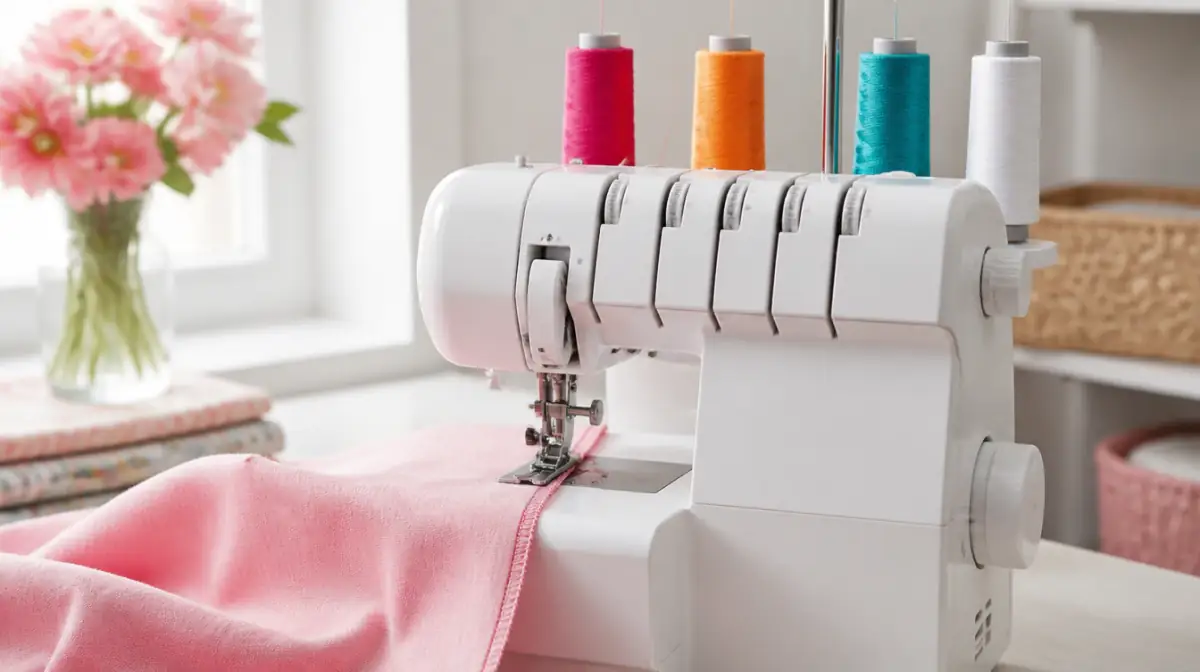
Serger vs Sewing Machine: What Each Does and Whether You Need Both
We may earn a commission from links on this page, at no extra cost to you. Disclosure
Quick answer
A serger stitches, trims and wraps the fabric edge in one pass with two to four threads and a knife, which gives stretchy, store-bought seams on knits. It cannot sew buttonholes, insert most zippers or topstitch, so most sewists keep a regular sewing machine as well. Overlocker is the UK name for the same machine; a coverstitch machine is a different machine for knit hems.
We may earn a commission from links on this page, at no extra cost to you. Disclosure
See the course & price →$67 one-time · 60-day money-back guarantee · Paid link
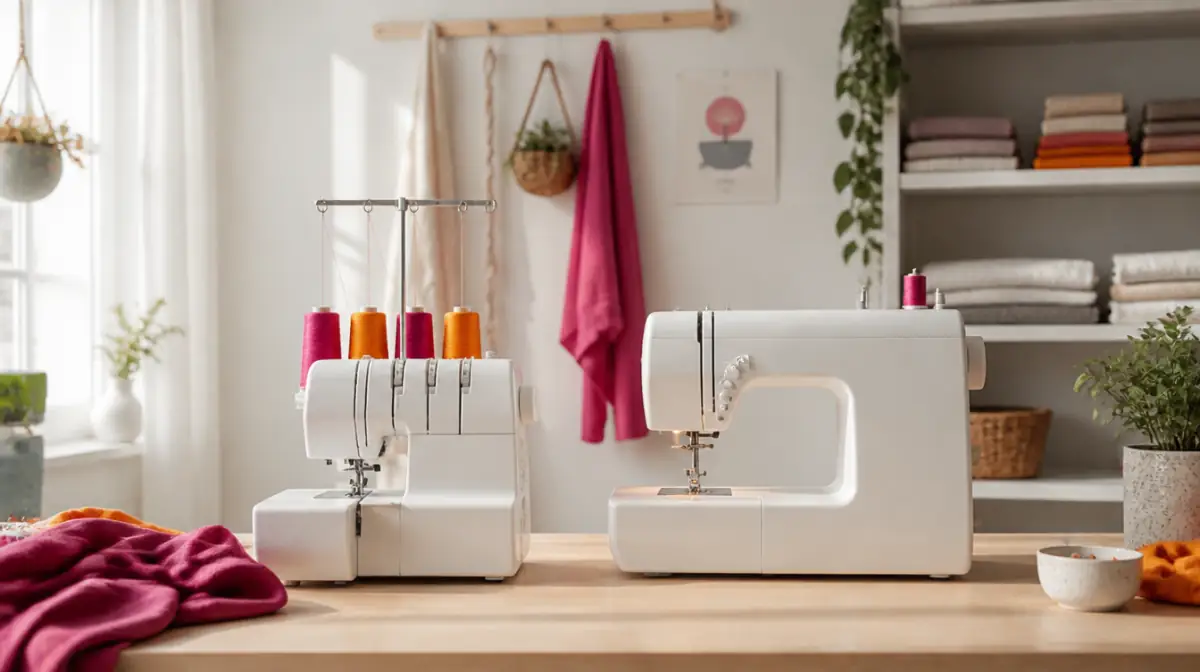
Quick answer: A sewing machine sews a seam with one needle and a bobbin; a serger stitches, trims and wraps the edge in one pass using two to four threads and a built-in knife. A serger gives a stretchy, store-bought finish on knits and seam edges, but it cannot sew buttonholes, insert most zippers or topstitch. That is why most people who own a serger keep a regular sewing machine too.
What a serger actually does
A serger sews a seam, cuts off the extra seam allowance and encloses the raw edge in thread, all at the same time. A 4-thread overlock uses two needles plus an upper and a lower looper. The loopers wrap thread around the edge while the needles lock it.
The result is the seam you see inside most store-bought T-shirts: neat, flexible and finished so it will not fray.
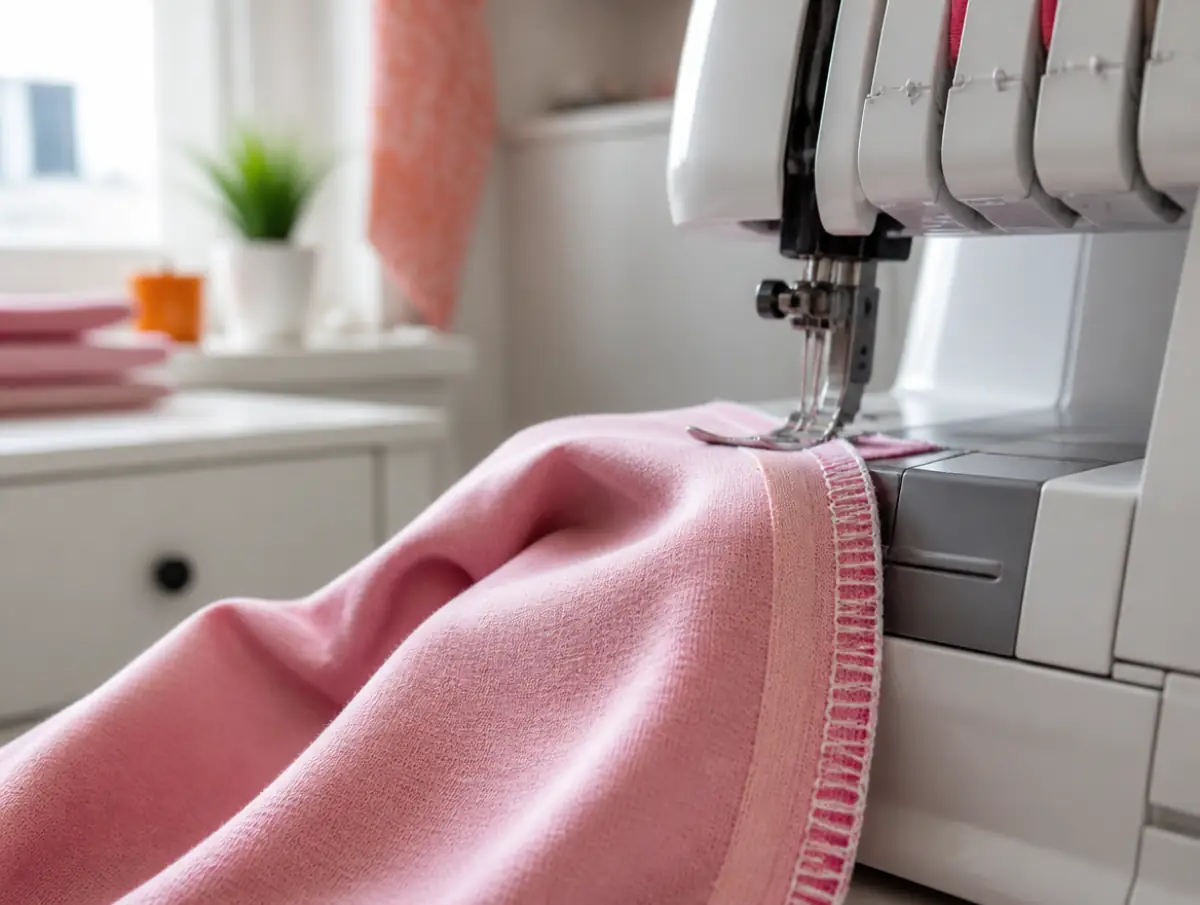
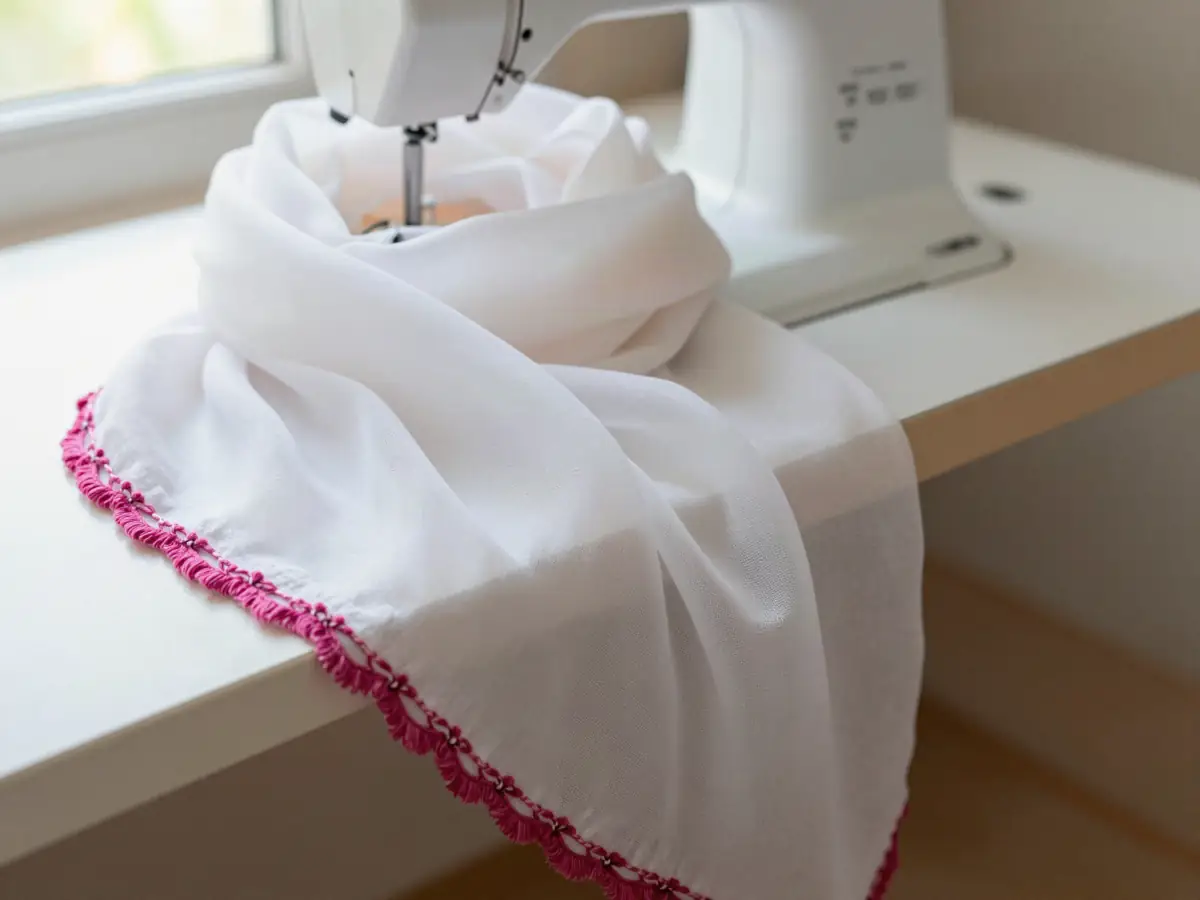
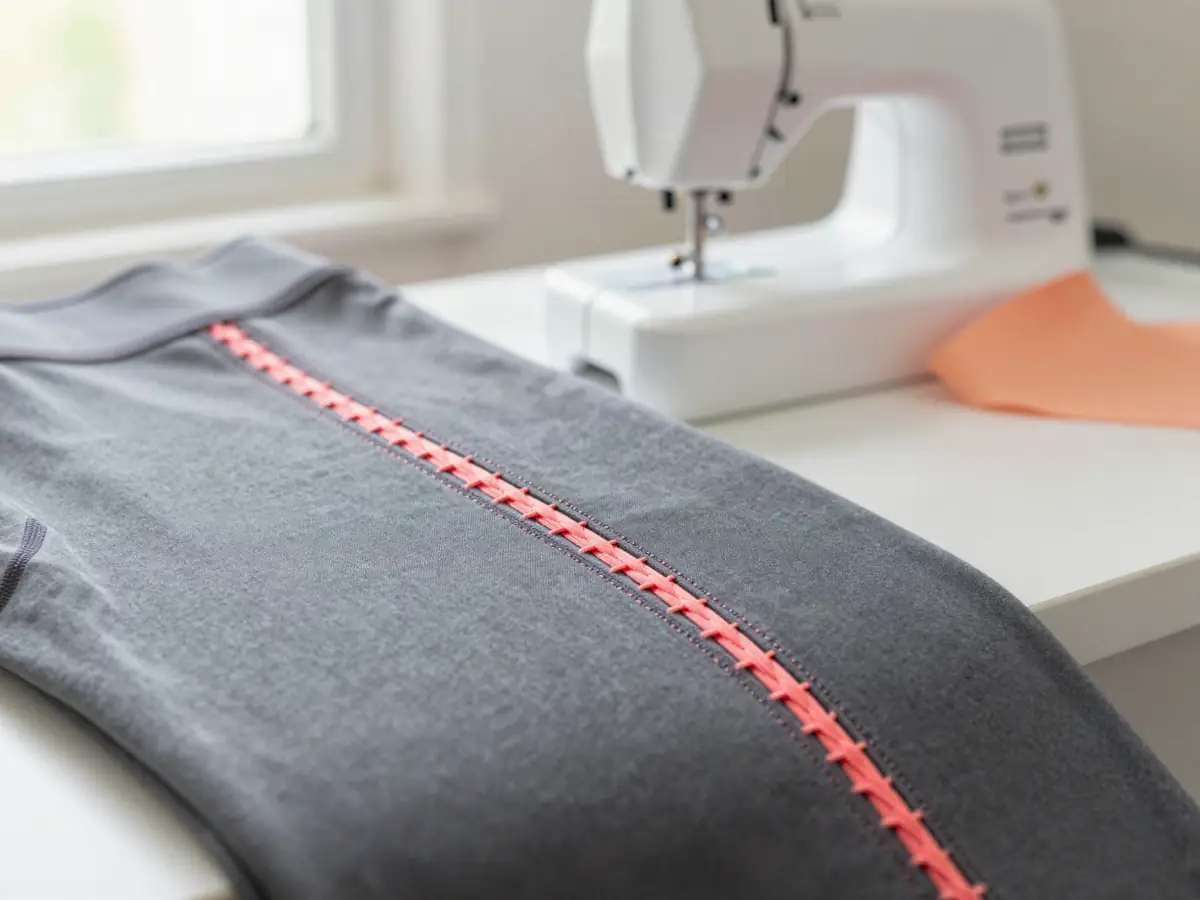
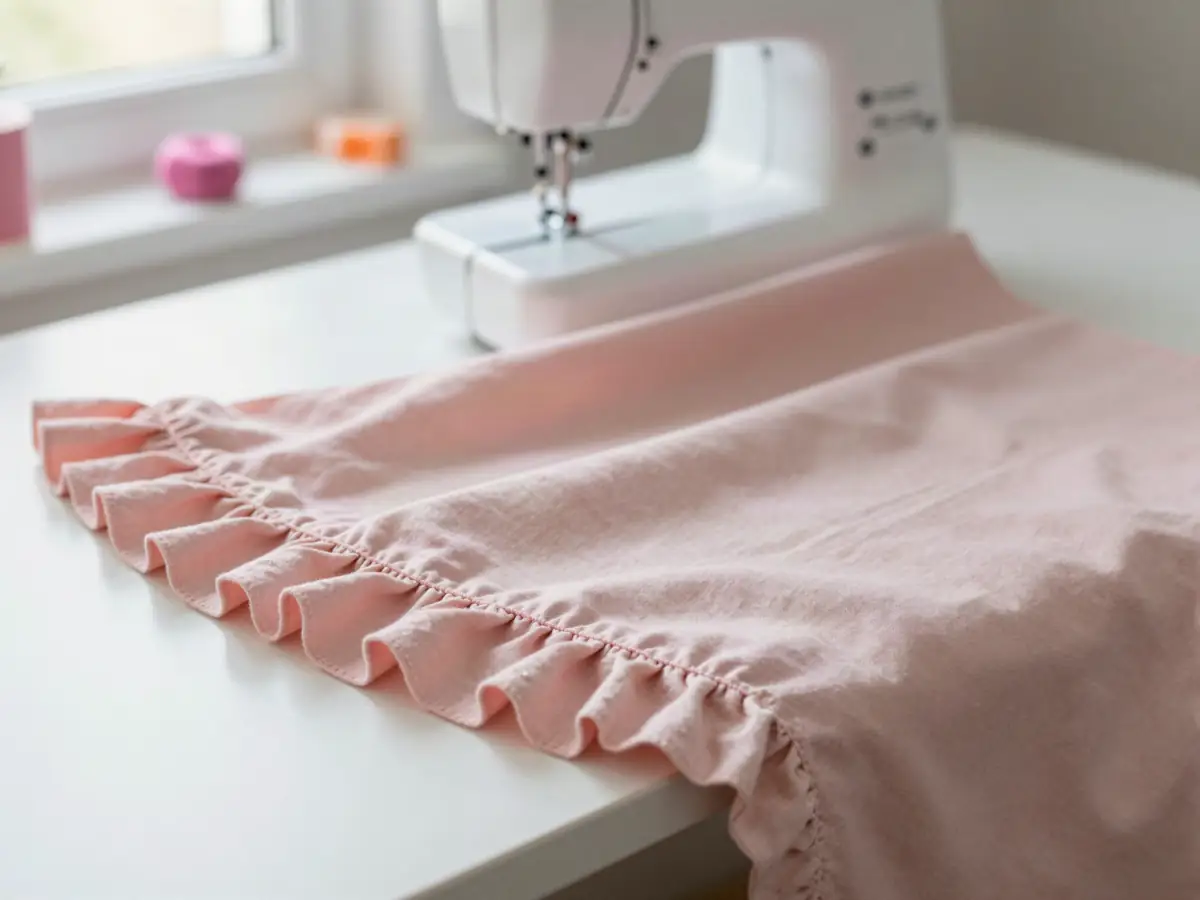
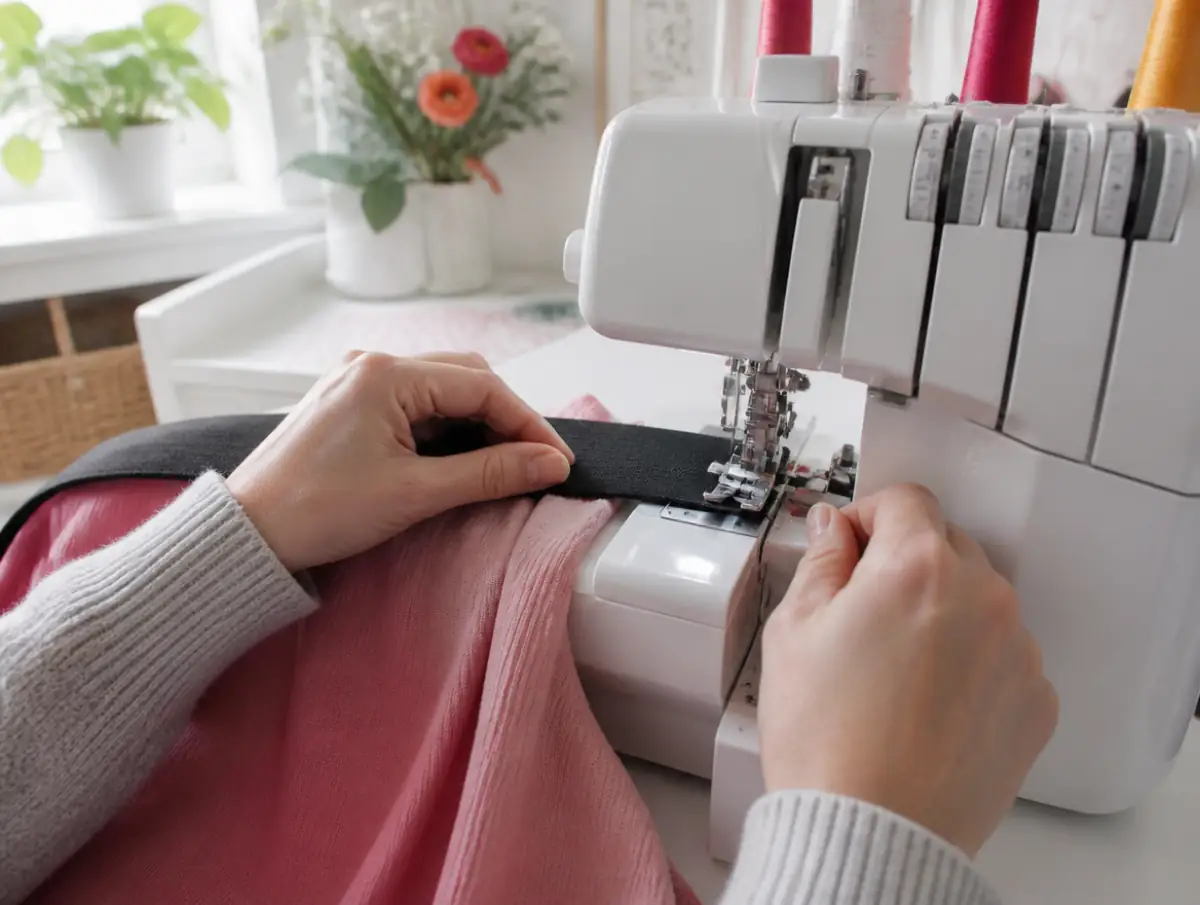
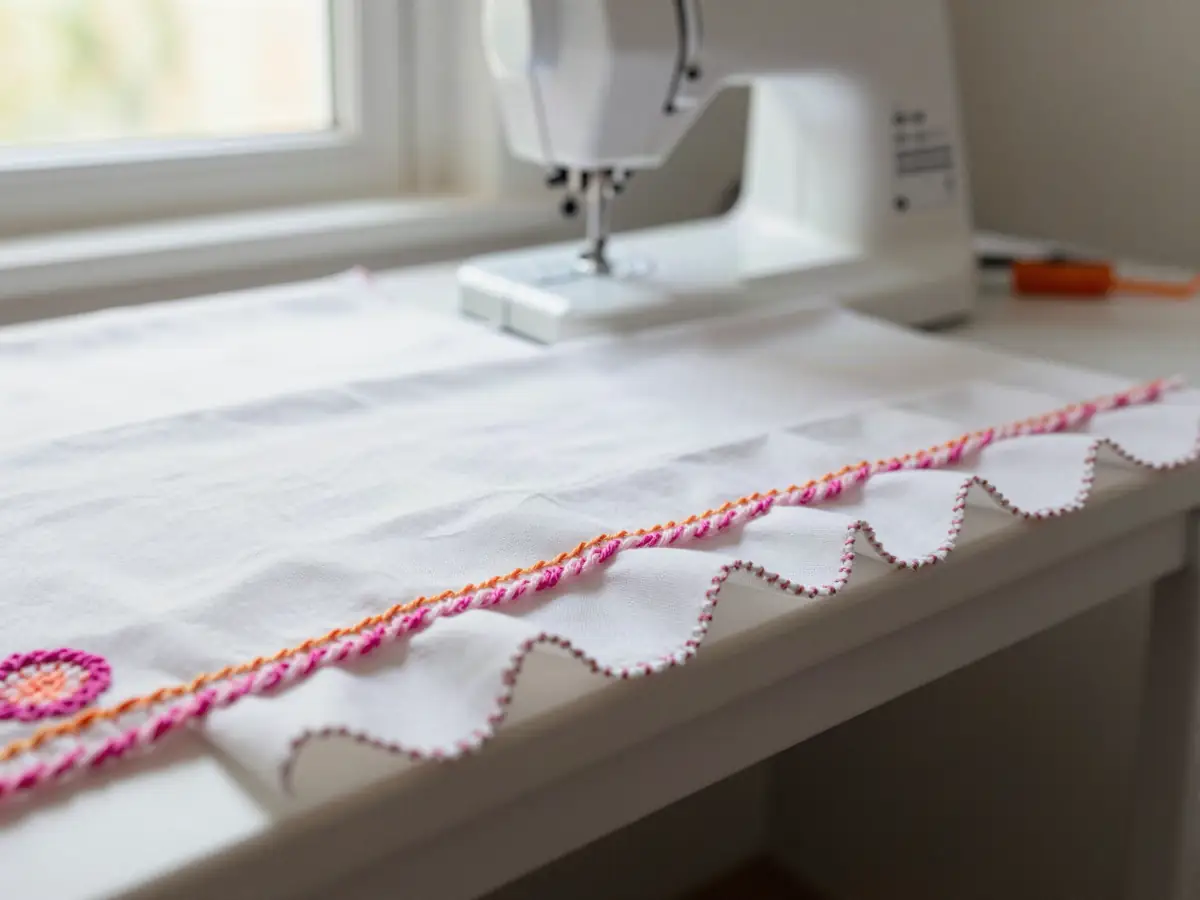
Illustrative photos, not the vendor's lessons. Which of these your serger can sew depends on the model.
What a serger cannot do
A serger is an edge machine, so anything that needs stitching away from the edge belongs on a sewing machine. The knife trims as it sews, and the stitch is built around the fabric edge.
- Buttonholes: not possible on a serger.
- Zippers: a regular sewing machine and zipper foot handle these. A serger can finish the seam edges around a zipper.
- Topstitching and edgestitching: no single straight line of stitching in the middle of the fabric.
- Darts, pockets and appliqué: these need a sewing machine.
- Precise seams that must be pressed open: serged seams are usually pressed to one side.
Can a sewing machine fake a serger finish?
Yes, a sewing machine can finish raw edges, but it takes an extra pass and the result is less stretchy and less durable. These are the usual workarounds, roughly from quickest to neatest.
| Method | Works best on | Trade-off |
|---|---|---|
| Zigzag over the edge | Wovens, light knits | Edge can tunnel or curl on thin fabric |
| Overcast stitch with an overcast foot | Most fabrics | Slower; separate trimming step |
| Pinking shears | Stable wovens | Reduces fraying but does not stop it |
| French seams | Sheer and light wovens | Neat but slow; not for knits or bulky fabric |
| Stretch or lightning stitch | Knits | Stretchy seam, but the edge stays raw |
For an occasional project these are fine. If you sew knits every week, the time a serger saves adds up quickly.
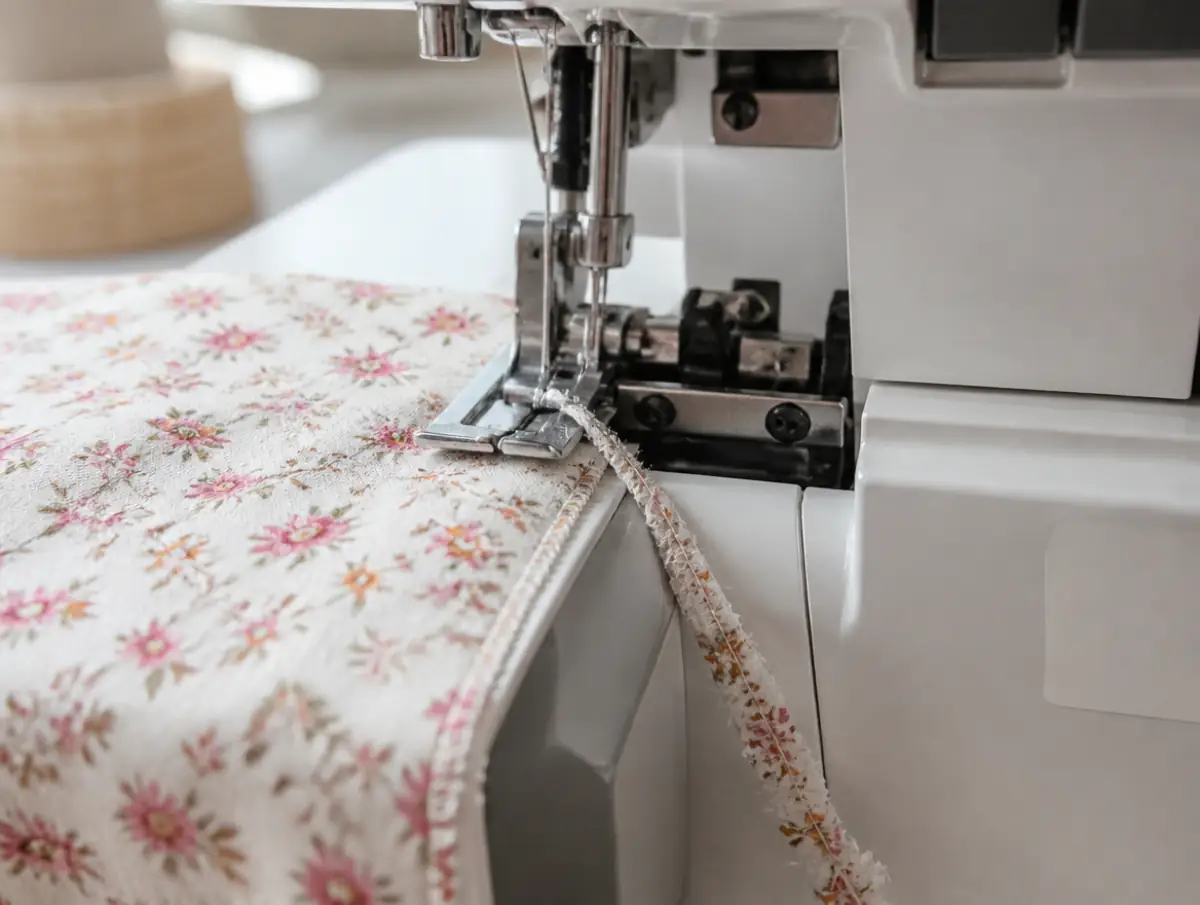
Serger vs sewing machine at a glance
The two machines overlap less than people expect. The table below compares them on the jobs that matter most to home sewists.
Prices are typical ranges for new entry-level models and change often; check current listings.
| Feature | Serger (overlocker) | Sewing machine |
|---|---|---|
| Threads | 2 to 4 (some 5) | Top thread plus bobbin |
| Cuts the fabric | Yes, built-in knife | No |
| Finishes raw edges | Yes, in the same pass | Only with zigzag or overcast stitch |
| Stretch seams on knits | Excellent | Possible with stretch stitches |
| Speed | Often about 1,300–1,500 stitches per minute | Usually slower |
| Buttonholes, zippers, topstitching | No | Yes |
| Threading | Harder: four paths | Easier: one path plus bobbin |
| Differential feed | Yes, on most models | No (walking foot is the closest) |
| Best first machine? | Rarely | Yes |
Already have a serger and not sure where to start? Love Your Serger is a video course that goes from threading to 22 stitch types and projects, about 41–44 videos according to the vendor. $67 one-time (checked Oct 14, 2026).
See the course & price →Paid link · opens the course's sales page.
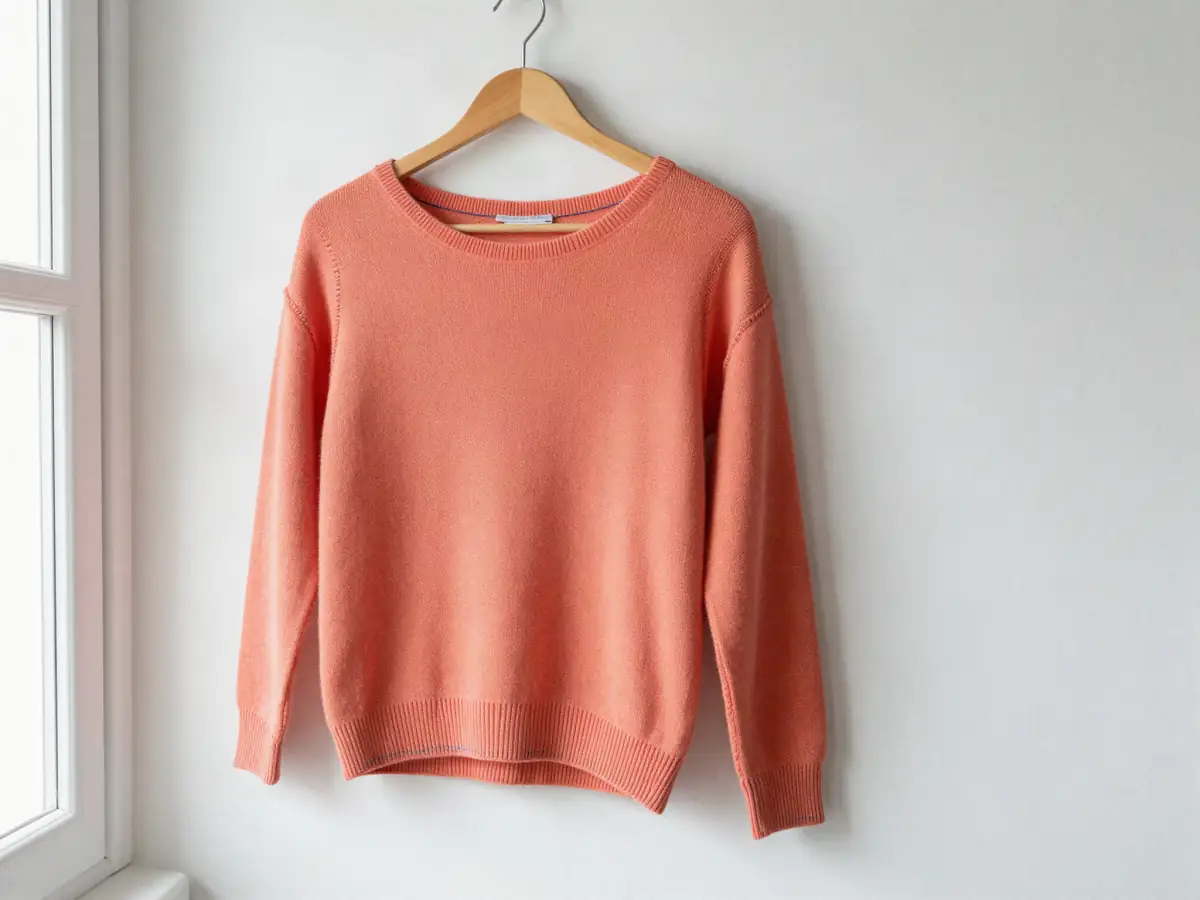
Do you need both?
If you sew garments, especially knits, a serger plus a sewing machine is the most useful pair. If you only sew quilts or simple home décor, a sewing machine alone is usually enough.
A common workflow: sew the main seams on the serger, then switch to the sewing machine for zippers, buttonholes and topstitching. For woven garments, many people construct on the sewing machine and use the serger only to finish edges.
| What you sew | Sewing machine only | Add a serger? |
|---|---|---|
| Quilts | Yes | Optional; handy for fast strip piecing and edge finishing |
| Knit T-shirts, leggings, activewear | Possible but slower | Strongly recommended |
| Woven garments | Yes | Nice for clean, durable seam finishes |
| Bags, cushions, home décor | Yes | Helpful for finishing inside seams |
| Items for an online shop | Yes | Faster, more professional-looking finishes |
| Alterations and repairs | Yes | Occasionally useful |
Our guide to the best serger for beginners lists honest first-machine picks if you decide to add one.
Overlocker vs serger: same machine
"Overlocker" and "serger" are two names for the same machine. "Serger" is the usual term in the US; "overlocker" is common in the UK, Australia and much of Europe.
The stitch it makes is called an overlock stitch in both places. Courses and manuals made in Europe often say "overlocker," and some use other terms too, for example "wave hem" for what many American sewists call a rolled hem.
Coverstitch vs serger
A coverstitch machine hems knits; a serger finishes edges. Look at the hem of a store-bought T-shirt: two or three parallel lines on the outside and a looped thread on the inside. That is a coverstitch.
A coverstitch machine uses two or three needles and one looper, and it has no knife, so it can stitch away from the edge. A standard serger cannot sew a true coverstitch.
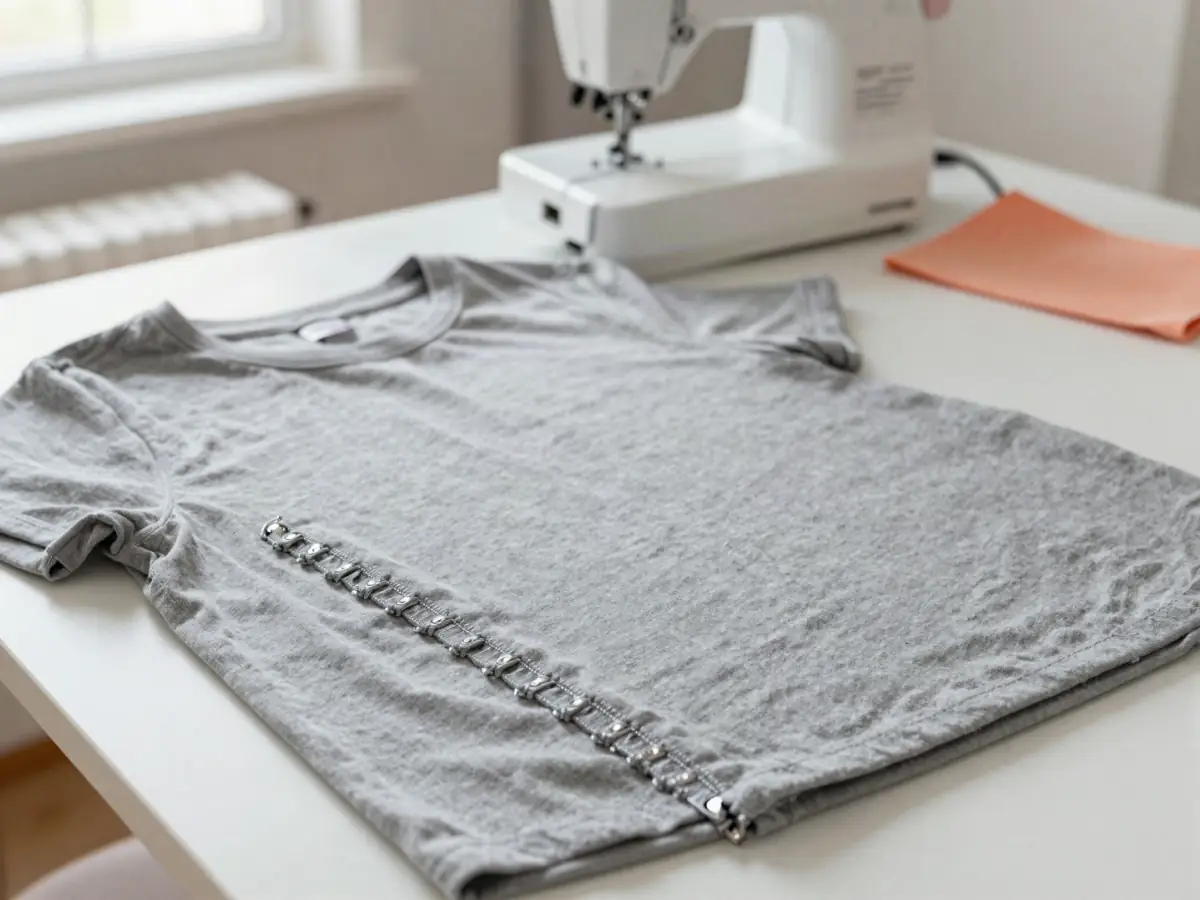
Combination machines
Some machines do both overlock and coverstitch, but switching between them takes time. You change needle positions, threading and sometimes plates.
Many sewists who make a lot of knits eventually own a separate coverstitch machine so they do not have to convert. If you are just starting, a standard 3/4-thread serger is the simpler first step.
| Serger | Coverstitch machine | |
|---|---|---|
| Main job | Seams and edge finishing | Hems and topstitch-style seams on knits |
| Knife | Yes | No |
| Needles / loopers | Usually 2 needles, 2 loopers | 2–3 needles, 1 looper |
| Stitch on the right side | Wrapped edge | Parallel straight lines |
Learn what your serger can do. The course covers 22 stitch types, including overlock, flatlock and rolled hems. Which ones your machine can sew depends on the model; cover stitch needs a cover-stitch-capable machine.
See all 22 stitches →Paid link · opens the course's sales page.
Which should a beginner buy first?
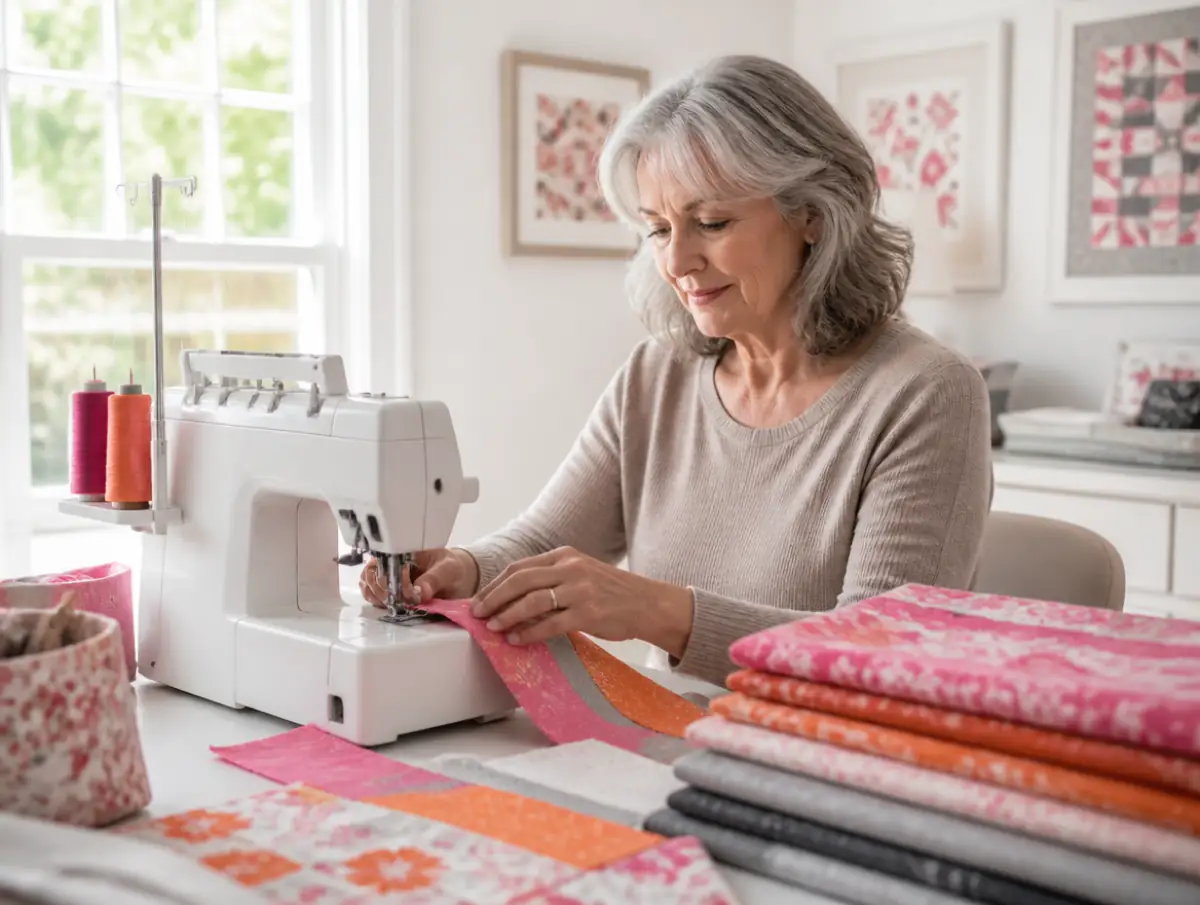
For most beginners, the sewing machine comes first. It handles every basic task, including the ones a serger cannot do, and it teaches you seam allowances, pressing and fabric handling.
Add a serger once you sew regularly and notice that finishing edges or sewing knits is slowing you down. If you mostly quilt, the serger is optional. If you mostly sew T-shirts, leggings or children's clothes, it often becomes the machine you use most.
Why many sergers go unused
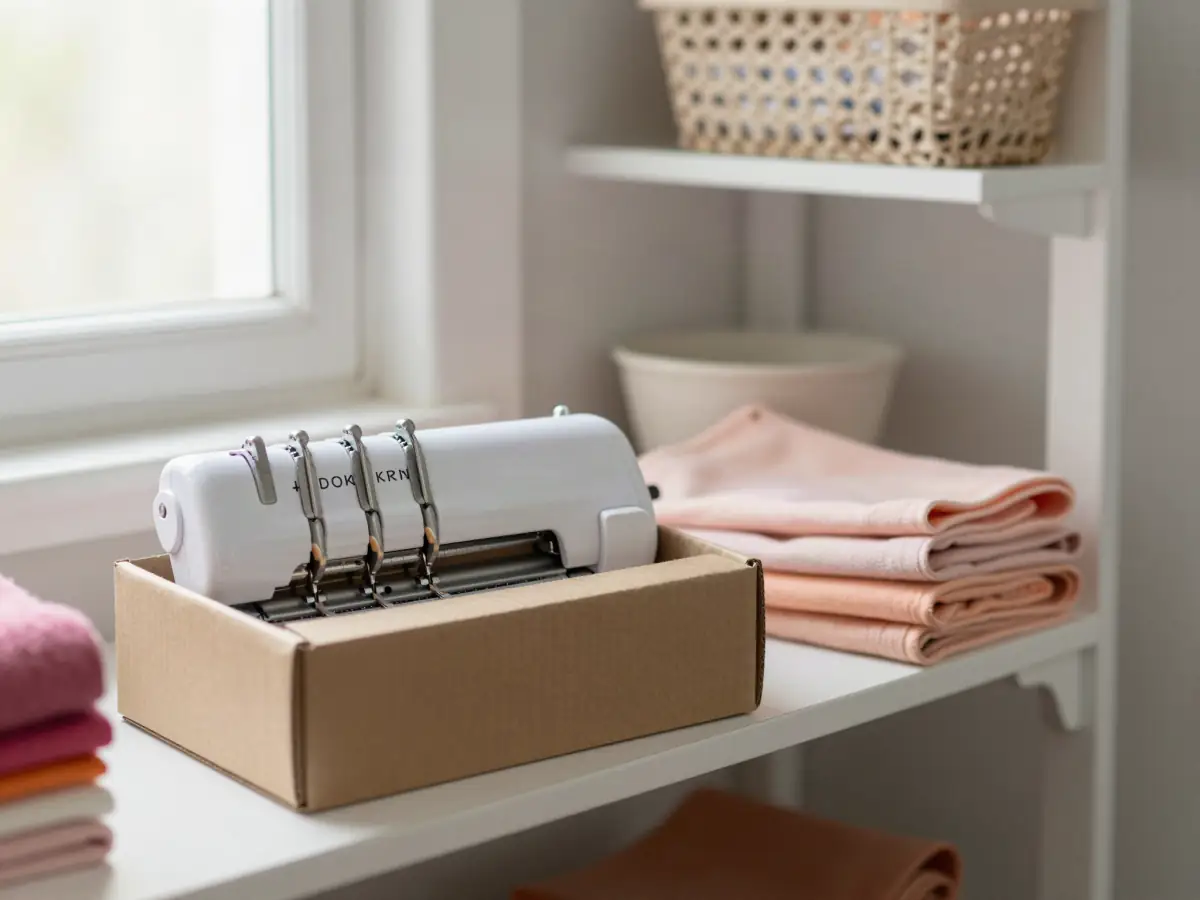
The most common reason a serger goes unused is threading, followed by tension. A sewing machine has one thread path; a serger has four, plus four tension dials.
Once threading and tension make sense, a serger is often the fastest machine in the room. Our guides on how to thread a serger and the serger tension guide cover both, and our post on why sergers sit in the closet covers the rest.
Prefer a full video path? Love Your Serger covers threading two ways, sewing basics, troubleshooting, cleaning and oiling, differential feed, techniques and two bonus projects. 60-day money-back guarantee.
Watch the course preview →Paid link · opens the course's sales page.
Where the course fits
Love Your Serger is an online course by Your Creatory, taught by Nicole. It works with any serger model, according to the vendor, but it is not brand-specific, so keep your manual handy. There is no live teacher feedback and no printed book. Our Love Your Serger review covers what is inside and who it suits.
Paid link · opens the course's sales page.
Sources
- Brother 1034DX product page (3/4-thread, up to 1,300 stitches per minute, differential feed).
- Juki MO-654DE retailer listing (2/3/4-thread, up to 1,500 stitches per minute).
- The Creative Curator: how to thread a serger (needle and looper roles).
Frequently asked questions
Can a serger replace a sewing machine?
No. A serger sews only at the fabric edge and cannot make buttonholes, insert most zippers, topstitch, sew darts or attach pockets. Most people use a serger alongside a sewing machine.
Is an overlocker the same as a serger?
Yes. Serger is the common US term and overlocker is the common term in the UK, Australia and much of Europe. Both make overlock stitches.
What is the difference between a serger and a coverstitch machine?
A serger trims and wraps the edge with a knife and usually two loopers. A coverstitch machine has no knife and uses two or three needles and one looper to sew parallel lines, mainly for hems on knits. Some combination machines do both but need converting.
Do I need a serger to sew knits?
No, a sewing machine with a stretch or zigzag stitch can sew knits. A serger makes knit seams faster, stretchier and neater, which is why many garment sewists add one.
Should a beginner buy a serger or a sewing machine first?
A sewing machine first for most people, because it handles every basic task. Add a serger once you sew regularly, especially if you make knit garments.
Can a serger sew a regular straight seam?
It sews a seam with straight needle lines, but always at the edge, while trimming and wrapping it. It cannot sew a straight line in the middle of the fabric like topstitching.