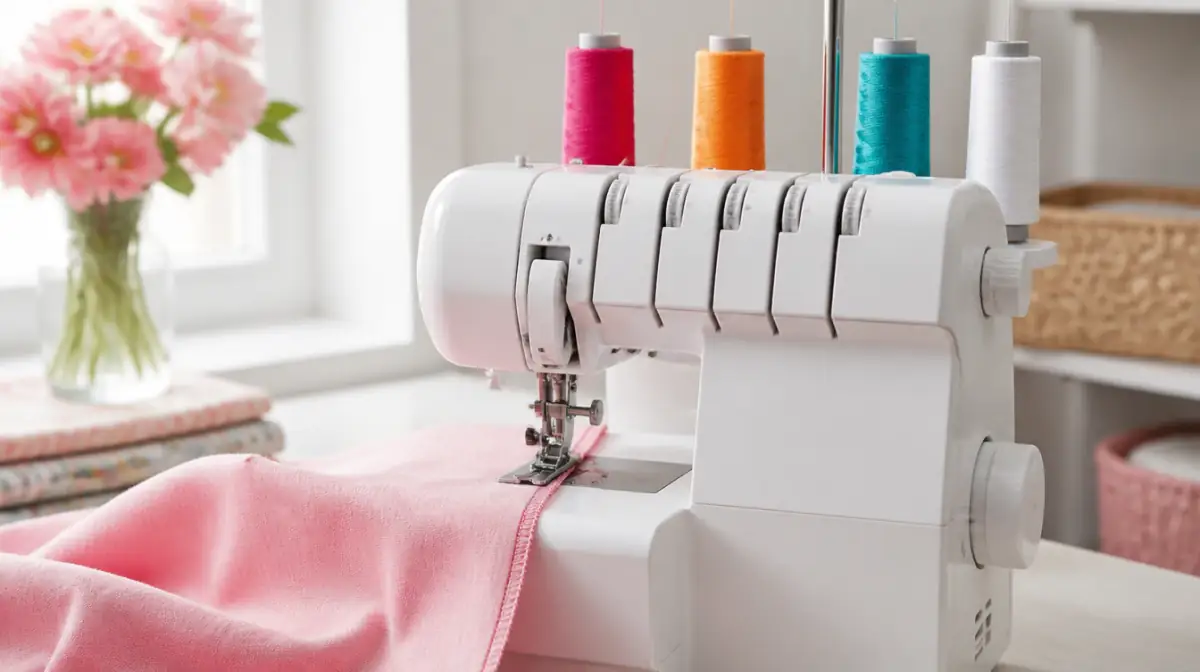
Best Serger for Beginners: Features That Matter and 5 Honest Picks
We may earn a commission from links on this page, at no extra cost to you. Disclosure
Quick answer
For most beginners, a 3/4-thread serger with differential feed, color-coded threading and a built-in rolled hem is enough, typically about $235 to $550 new as of October 14, 2026. Popular starting points include the Brother 1034DX, Singer S0230, Janome 8002D and Juki MO-654DE; air threading, as on the Brother Airflow 3000, costs about $1,000 or more. Prices change, so check current listings.
We may earn a commission from links on this page, at no extra cost to you. Disclosure
See the course & price →$67 one-time · 60-day money-back guarantee · Paid link
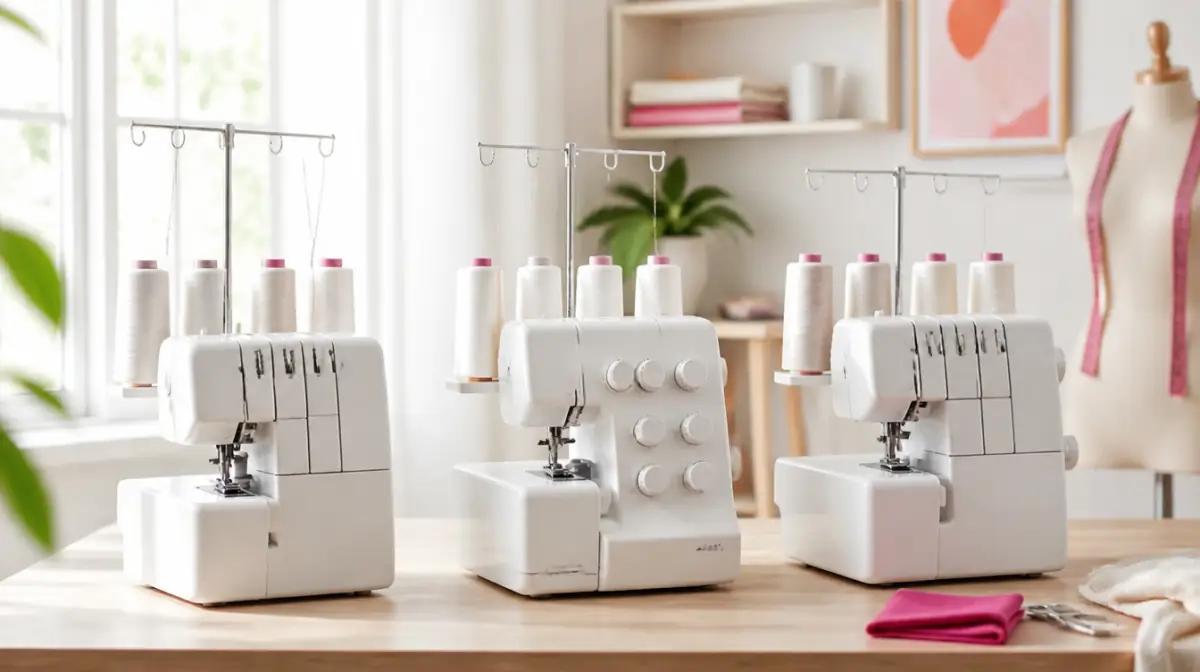
Quick answer: For most beginners, a 3/4-thread serger with differential feed, color-coded threading and a built-in rolled hem is enough, and it typically costs about $235 to $550 new. Popular starting points include the Brother 1034DX, Singer S0230, Janome 8002D and Juki MO-654DE. Pay more for air threading, such as the Brother Airflow 3000, only if threading is the one thing that would stop you from using the machine. Prices change often; ranges below were checked as of October 14, 2026.
No affiliate links to sergers on this page. We do not earn anything from the machine you choose. The only paid links here point to a serger course, for once you own a machine. We researched manufacturer and retailer listings; we did not test these machines.
What matters in a first serger
Five features matter far more than brand or stitch count. Check these on any listing before comparing prices.
A long list of "stitches" usually means variations of the same overlock and rolled hem, so do not let that number decide for you.
| Feature | Why it matters | Priority |
|---|---|---|
| Differential feed | Stops wavy seams on knits and puckering on thin fabric | Must have |
| 3/4-thread overlock | Covers seams and edge finishing on almost every fabric | Must have |
| Color-coded threading guides | Makes the four thread paths far easier to follow | Must have |
| Built-in rolled hem | Narrow hems by switching a lever, without changing plates | Strongly recommended |
| Easy lower looper threading | The lower looper is the hardest thread on most machines | Strongly recommended |
| 2-thread capability | Lighter finishes and 2-thread rolled hems | Nice to have |
| Free arm | Easier serging around sleeves and cuffs | Nice to have |
| Air threading | Blows thread through the loopers at the press of a button | Nice, but expensive |
Five popular beginner sergers compared
These are widely sold, well-known models, listed roughly from lowest to highest price. Specs come from manufacturer and retailer listings; prices are about-ranges seen as of October 14, 2026 and change often, so check current listings.
| Model | Threads | Differential feed | Free arm | Air threading | Approx. price (Oct 14, 2026) |
|---|---|---|---|---|---|
| Brother 1034DX | 3/4 | Yes | Convertible, per retailers | No | About $235–$290 |
| Singer S0230 | 2/3/4 | Yes | Yes | No | About $290–$300 |
| Janome 8002D | 3/4 | Yes (0.5–2.25) | Not listed | No | About $360–$399 |
| Juki MO-654DE | 2/3/4 | Yes (0.7–2.0) | Check listing | No | About $399–$549 |
| Brother Airflow 3000 | 2/3/4 | Yes (0.7–2.0) | Check listing | Yes (loopers) | About $1,000–$1,400 |
"Not listed" and "check listing" mean we could not confirm the feature on the pages we checked. Ask the dealer or look in the manual before you buy.
Already have a serger? Love Your Serger is a video course that works with any serger model, according to the vendor, from threading to 22 stitch types and projects. $67 one-time (checked Oct 14, 2026).
See the course & price →Paid link · opens the course's sales page.
Brother 1034DX: the common budget start
The Brother 1034DX is a 3/4-thread serger with differential feed, color-coded guides and a rolled hem setting. Brother rates it at up to 1,300 stitches per minute and includes extra feet (gathering and blind hem) and mini spools of thread.
Brother listed it at $289.99 but showed the new unit out of stock on its own site when we checked; retailers had it from about $235. It has no 2-thread mode. See the Brother 1034DX page.
Singer S0230: 2-thread option at a similar price
The Singer S0230 adds 2-thread capability, differential feed and a built-in free arm for about $290 to $300. Retailers list it at 1,300 stitches per minute with color-coded threading.
We could not confirm a built-in rolled hem on the listings we checked, so verify that in the manual if narrow hems matter to you. See Singer's site for current models.
Janome 8002D: easy rolled hems
The Janome 8002D is a 3/4-thread serger with a wide differential feed range (0.5–2.25) and lay-in tension dials. Switching to a rolled hem does not require changing the needle plate; a knob moves the stitch finger.
Janome lists it at $399 and refers buyers to dealers; dealers showed about $360. A retailer listing describes a long warranty on materials and workmanship. See the Janome 8002D page.
Juki MO-654DE: a step up in build
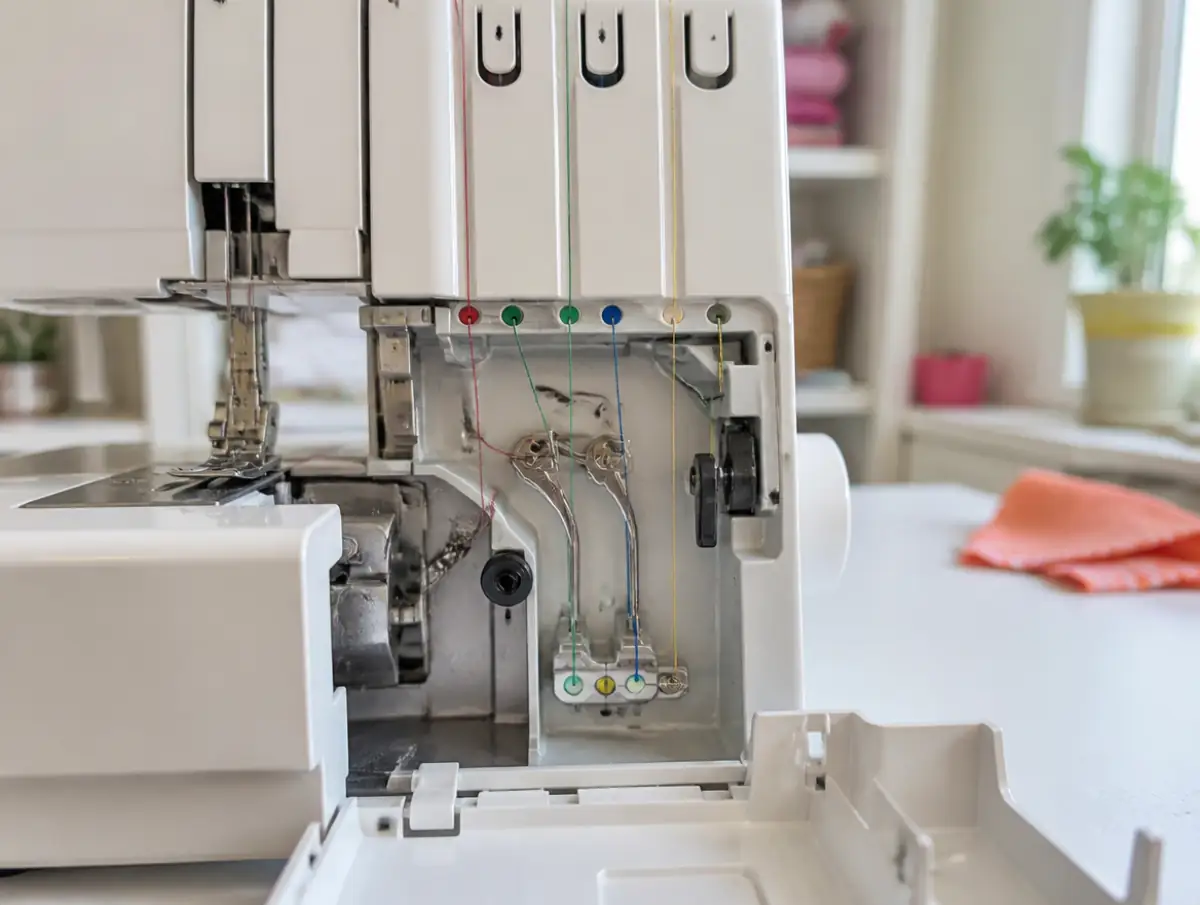
The Juki MO-654DE sews 2, 3 or 4 threads at up to 1,500 stitches per minute, with easy lower looper threading and a built-in rolled hem. Its differential feed runs from 0.7 to 2.0.
Retail prices ranged from about $399 to $549 when we checked, far below the suggested list price. See Juki's home sewing site.
Brother Airflow 3000: if threading is the deal-breaker
The Brother Airflow 3000 uses a blast of air to pull thread through the loopers, which removes the hardest part of threading. It sews 2, 3 or 4 threads with a 0.7–2.0 differential feed.
The trade-off is price: retailers listed it at about $1,000 to $1,400, often against much higher "regular" prices. Air threading is a convenience, not a requirement; plenty of sewists learn to thread a standard serger in a few sessions. See Brother USA.
What about combination machines?
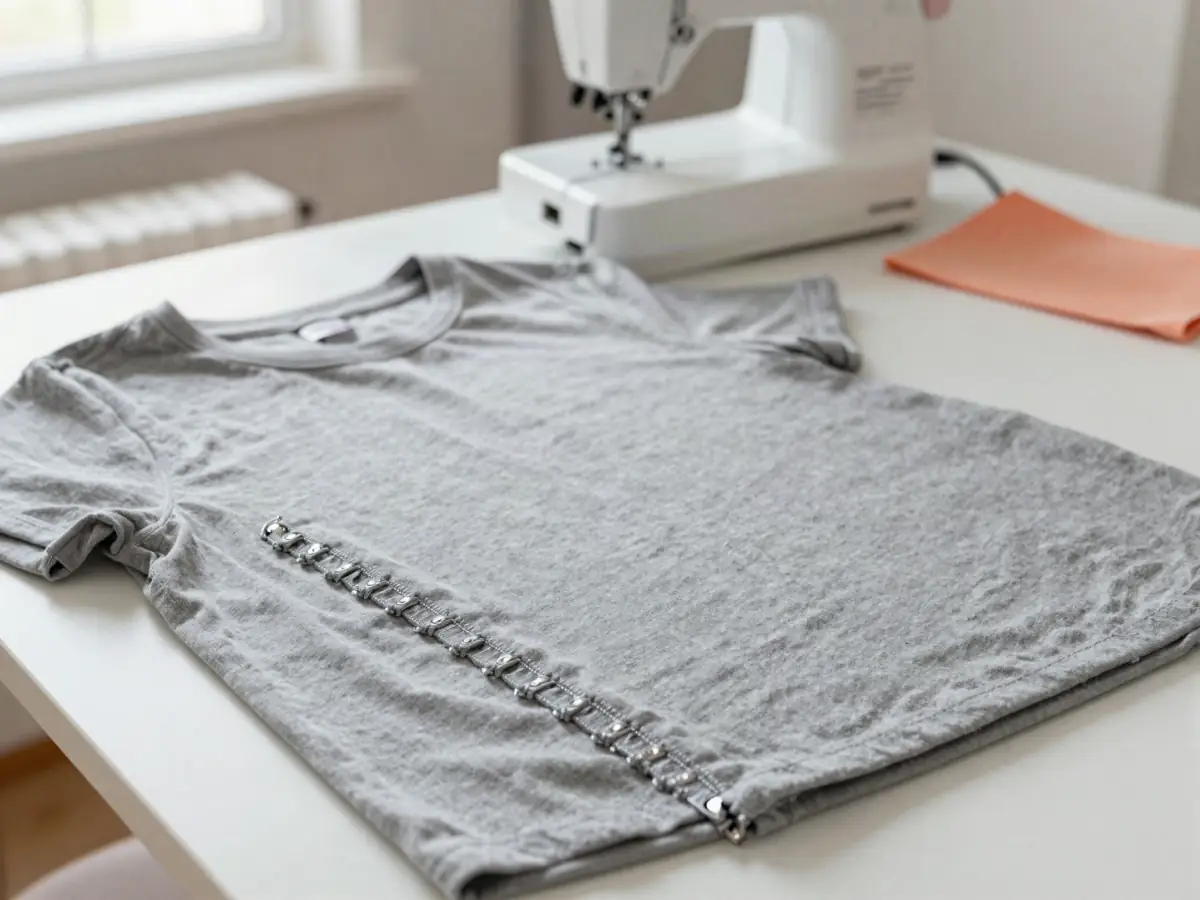
Combination sergers add a coverstitch for knit hems, but converting between modes takes time. One example is the Singer Professional 5 (14T968DC), which retailers listed at about $620 to $650.
For a first machine, most people are better off with a standard 3/4-thread serger. See our serger vs sewing machine guide for how coverstitch differs.
Choosing is step one; learning it is step two. The course covers threading two ways, accessories and needles, sewing basics, troubleshooting, cleaning and oiling, and differential feed. 60-day money-back guarantee.
Watch the course preview →Paid link · opens the course's sales page.
How much should a beginner spend?
Most beginners get everything they need in the $235 to $550 range. Spending more buys convenience and durability, not better basic seams.
| Budget (approx., Oct 14, 2026) | What you typically get | Good for |
|---|---|---|
| About $235–$300 | 3/4 or 2/3/4 thread, differential feed, color-coded guides | Trying serging, occasional projects |
| About $350–$550 | Sturdier build, wider differential feed range, easier lower looper or rolled hem conversion | Regular garment sewing |
| About $600–$700 | Combination serger with coverstitch | Frequent knit sewing on one machine |
| About $1,000 and up | Air threading and premium features | Sewists who change thread often |
Budget for extras too: serger thread cones, spare needles of the type your manual lists, and long tweezers if they are not included.
Mistakes to avoid when buying
The most common regret is not the model, it is a machine that never gets used. Plan to learn threading and tension in the first week.
- Skipping differential feed to save money.
- Buying on stitch count instead of features.
- Trusting "regular price" anchors; compare real selling prices instead.
- Ignoring dealer support, which helps with setup and service.
Once you own one, learn it
Any of these machines will sew good seams once threading and tension make sense. Start with our guides on how to thread a serger and the serger tension guide, then practice on plain cotton scraps.
If you want a structured video path, Love Your Serger is one option. It is not brand-specific, so you still need your manual, and there is no live teacher feedback. Which of its 22 stitch types your machine can sew depends on the model. Our Love Your Serger review covers the details, and the best online serger courses compares alternatives.
Paid link · opens the course's sales page.
Bottom line
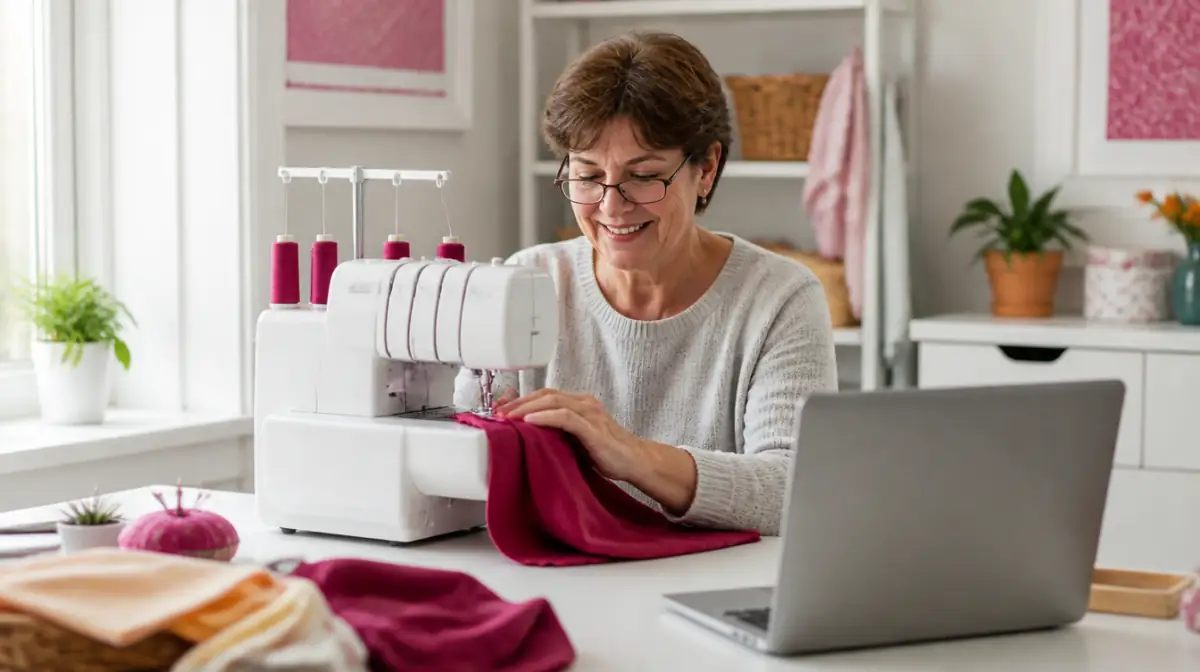
Buy a 3/4-thread serger with differential feed and color-coded threading in your budget, then spend the first week learning threading and tension. The machine matters less than whether you get comfortable with it.
Paid link · opens the course's sales page.
Sources
- Brother 1034DX product page ($289.99 list; specs).
- Janome 8002D product page and dealer listing ($360–$399; specs).
- Juki MO-654DE listing and spec page ($399–$549).
- Singer S0230 retailer listing (2/3/4-thread, free arm).
- Brother Airflow 3000 listing (air threading; about $1,000–$1,400 across retailers).
- Singer Professional 5 14T968DC listing (combination serger).
Frequently asked questions
What is the best serger for a beginner?
Any reputable 3/4-thread serger with differential feed, color-coded threading guides and a built-in rolled hem. Popular beginner models include the Brother 1034DX, Singer S0230, Janome 8002D and Juki MO-654DE. Pick by features and budget rather than stitch count.
How much does a beginner serger cost?
About $235 to $550 new for most popular beginner models as of October 14, 2026. Combination sergers with coverstitch were about $600 to $700, and air-threading models about $1,000 or more. Prices change often.
Is air threading worth it on a serger?
Only if threading is what would stop you from using the machine, or you change thread colors very often. Air-threading models cost much more, and most people learn to thread a standard serger in a few sessions.
Do I need differential feed?
Yes. Differential feed prevents wavy seams on knits and puckering on thin fabrics, and it lets you gather fabric. It is the one feature not to skip.
Do I need a 2-thread serger?
Not to start. 3- and 4-thread stitches cover most seams and edges. 2-thread stitches are lighter finishes and rolled hems; some machines need a converter for them.
Does Nook21 earn money if I buy one of these sergers?
No. There are no affiliate links to sergers on this page. The only paid links point to an online serger course.